

A large casino catalogue can be useful only when it helps you identify the type of experience you actually want. Instead of scrolling through thousands of thumbnails, Canadian players can narrow the choice by game format, pace, rules, volatility and whether live interaction matters. The published information for casino lussurio describes a broad selection spanning slots, table games, live dealer rooms, jackpots and instant-play titles. The practical task is to turn that breadth into a manageable shortlist.

Begin with the style of play you want
Game discovery becomes easier when you choose an experience before choosing a title. Slots generally suit players who prefer simple controls, visual themes and rounds that can be completed quickly. Classic slots offer a more traditional layout, while modern video slots may add expanding symbols, bonus rounds, multipliers or feature-trigger systems. Progressive jackpots provide a separate attraction because the prize pool can increase over time, although the presence of a large advertised jackpot does not make a win likely.
Table games offer a different kind of decision-making. Roulette centres on number, colour, section and parity wagers, while blackjack involves choices such as hitting, standing, splitting and doubling. Baccarat usually has fewer player decisions, and video poker combines card rankings with selection decisions after the initial deal. Bingo, keno, dice and scratch cards can appeal to players seeking shorter or more straightforward formats, but each still has its own probability structure and betting rhythm.
For a first shortlist, ask three questions: do you want decisions or mostly automatic rounds, do you prefer a traditional or themed presentation, and how long should one session last? These questions are more useful than beginning with a provider name or a prominent jackpot label. A clear preference may reduce a catalogue of thousands of games to a few categories that are easier to compare responsibly.
Use categories to narrow a large selection
Provider browsing is helpful when you already know a studio whose presentation you enjoy, but categories are usually the better starting point. A sensible browsing path is to choose the broad format first, then refine by theme, mechanics or live presentation. For example, a player interested in slots could compare classic slots, video slots, jackpot slots and newer instant-win formats before examining individual titles.
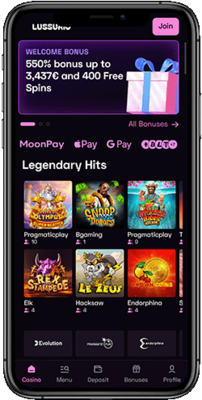
The catalogue information associated with the site describes categories including video slots, classic slots, progressive jackpots, roulette, blackjack, baccarat, video poker, bingo, keno, dice, scratch cards, instant-win games and crash games. Live sections are described separately and include dealer-hosted blackjack, roulette, baccarat, poker variants and game shows. Keeping these groups separate matters because a live dealer table has a different pace, interface and decision environment from an automated digital version of the same game.
Filters should support a decision rather than replace one. Sort options such as newest, popular or jackpot-related may be convenient, but they do not establish that a game is better suited to your budget or preferences. Build a small comparison list instead: note the game type, minimum stake shown, main features, whether it is live or automated, and whether bonus terms may affect its availability. If a category or filter is unclear, check the operator’s displayed game information before relying on it.
What should you compare before opening a title?
The first useful comparison is the game’s rules and objective. A slot may be easy to start but still contain several bonus mechanics that affect how its rounds unfold. A table game may look familiar while using a particular rule set that changes the house edge or available decisions. Read the help panel, paytable or rule screen rather than assuming that two games with the same name operate identically.
Next, consider volatility and pace. Volatility is commonly used to describe how frequently and how unevenly a game may produce outcomes, but labels are not guarantees of results. A high-volatility title may produce less frequent notable wins, while a lower-volatility title may produce more frequent but smaller outcomes; neither description predicts what will happen during a short session. Round speed also matters, since rapid automatic play can make a fixed budget disappear faster.
Presentation is worth considering, but it should remain secondary to clarity. Attractive graphics, music, branded themes and animated features can make a title memorable without changing its underlying risk. Before selecting a game, look for the displayed return-to-player information where provided, understand that it is a long-run statistical measure rather than a promise, and decide whether the controls allow you to set a comfortable pace. Short trial play cannot verify performance or predict future results.
When does live casino make sense?
Live casino is best understood as a distinct format, not simply a larger version of a digital table-game category. Dealer-hosted rooms typically use streamed video, a scheduled table and a real-time interface for placing decisions. The appeal may be the social atmosphere, visible dealing process or more familiar casino presentation. The trade-off is that tables can have different limits, availability and pacing from automated games.
The published selection names Evolution and Ezugi among the live-dealer suppliers and describes live blackjack, roulette, baccarat, poker variants and game shows. Supplier names can help with discovery, especially if you recognize a particular studio’s visual style or table format. They should not, however, be treated as evidence that every title has the same rules, limits or availability. Open the individual table information and review its instructions before committing funds.
Live play also requires stronger attention to time and interruptions. A streamed table may continue while you are deciding, and a busy room can encourage you to remain longer than intended. Set a session limit before joining, avoid chasing a result from a previous hand or spin, and leave when the planned limit is reached. If live play feels too fast or distracting, an automated version or a slower game category may be a better fit.
Match game discovery with practical limits
Game choice and money management are connected because different formats can produce very different numbers of rounds per hour. A slow table game, a rapid slot and an instant-win title may use the same account balance at very different speeds. Decide the total amount and time for a session in advance, then select a format whose pace makes that plan realistic. Never treat a catalogue’s variety as a reason to increase the budget.
Promotional terms can also affect which games are practical to browse. The source material indicates that some bonus-funded play may exclude or reduce contribution from categories such as live dealer, instant-win and crash games. Those conditions can vary by offer, currency and campaign. If a promotion is involved, read the specific terms before selecting a title, and do not assume that every game contributes equally or that a promotional balance is immediately withdrawable.
Account controls can provide an additional boundary. The listed tools include deposit, wagering and loss limits, time or session limits, reality checks, cooling-off periods and self-exclusion. Their availability and operation should be confirmed in the account area or stated terms. A useful discovery routine is simple: choose one category, shortlist a few games, read the rules, set a limit, and stop browsing once the session plan has been reached. More choice is not automatically better choice.
Questions readers often ask about casino game discovery
Are thousands of games useful for a new player?
They can be useful if the catalogue has clear categories and filters, but quantity alone does not make selection easier. Start with one format, such as slots or roulette, then compare a few titles using rules, pace, features and displayed limits. A small shortlist is usually more practical than browsing every available game.
Does a named game provider guarantee a certain experience?
No. A provider name may help identify a design style or familiar interface, but individual games can use different rules, mechanics, volatility profiles and betting ranges. Read the title’s own information and paytable. Provider branding should support discovery, not substitute for checking how that particular game works.
Should live casino be chosen over automated games?
That depends on whether you value dealer interaction and a streamed table more than flexible pacing. Live games may have scheduled availability and different limits, while automated games are usually easier to start and pause. Compare the individual table or game details, then choose the format that fits your planned time and spending boundary.