
The evolution of casinos tracing their historical journey through time
The Origins of Gambling and Early Casinos
The concept of gambling can be traced back to ancient civilizations, where various forms of games of chance were played. Archaeological evidence from sites in China, Egypt, and Greece indicates that games involving dice, betting, and other forms of gambling were an integral part of social life. In these early societies, gambling was not merely a pastime; it often held cultural and religious significance, acting as a way to predict outcomes and bring communities together. You can learn more about the modern implications of this by visiting https://mythoswincasinoonline.com/.
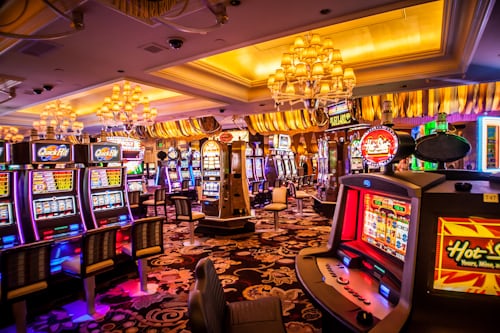
The first establishments resembling modern casinos began to appear in Italy during the Renaissance. These venues, known as “ridotti,” were private clubs where members could gamble freely. The environment was exclusive, catering to the nobility and wealthy classes, and set the stage for the evolution of more formalized gambling establishments. This early model of gaming paved the way for the more public-facing casinos we see today.
As gambling spread throughout Europe, it took on various forms, influenced by local customs and laws. By the 17th century, public gaming houses emerged, leading to increased popularity among the general populace. These venues sparked a new culture around gambling, emphasizing entertainment, luxury, and social interaction, which would eventually culminate in the grand casinos of the 19th and 20th centuries.
The Rise of Gambling Houses in Europe
The 18th century marked a significant turning point in the evolution of casinos, particularly in Europe. The establishment of the Casino di Venezia in Italy in 1638 is often cited as the first official casino. This venue introduced organized gambling to a wider audience, offering games like baccarat and roulette, which would become staples in gambling culture. The casino concept evolved to cater to the burgeoning middle class, reflecting societal changes and the increasing acceptance of gambling as a legitimate form of entertainment.
In France, the development of casinos was particularly notable, with the creation of the famed Casino de Spa in Belgium. French aristocrats flocked to these venues to indulge in the thrill of chance. The popularity of games like blackjack and chemin de fer grew, further establishing the casino as a significant part of European leisure activities. The opulence of these casinos drew in patrons from all walks of life, creating an atmosphere where gambling was not merely about winning or losing but also about socializing and enjoying lavish surroundings.
The movement of casinos continued across Europe, with cities like Monte Carlo and Baden-Baden becoming synonymous with gambling grandeur. These cities redefined the casino experience, emphasizing luxury accommodations, fine dining, and extravagant entertainment. The combination of gambling with these other leisure activities attracted international tourists and established casinos as central hubs of culture and entertainment.
The American Casino Boom
The 20th century heralded a new era for casinos, particularly in the United States. The introduction of legalized gambling in Nevada in 1931 set the stage for the rise of Las Vegas, which would soon become the epicenter of casino culture. The emergence of lavish resorts, complete with themed hotels and extravagant shows, transformed the gambling experience. Las Vegas reinvented itself as a destination where every visitor could enjoy world-class entertainment alongside gaming.
As the casino industry grew in popularity, so did its influence on popular culture. Movies, music, and literature began to reflect the allure of casinos, further embedding them into the American psyche. The introduction of slot machines and the popularity of games such as poker and craps helped diversify gaming options, appealing to a broader audience. This expansion solidified the position of casinos in American culture as symbols of excitement and opportunity.
The evolution of the casino experience continued in the late 20th century with the advent of tribal gaming. Native American tribes capitalized on legislation that allowed them to operate casinos, leading to a proliferation of gaming establishments across the country. This shift not only increased the number of casinos but also highlighted the complexities of gambling legislation in the U.S., showcasing a diverse landscape where both state-run and tribal casinos coexisted.
The Digital Transformation of Casinos
The late 1990s and early 2000s marked the digital revolution for casinos with the rise of online gambling. The first online casinos emerged, allowing players to enjoy their favorite games from the comfort of their homes. This shift made gambling more accessible than ever, reaching a global audience and reshaping the traditional casino experience. Online platforms introduced new gaming formats, such as live dealer games, enhancing interactivity and bridging the gap between digital and physical gaming.
As technology advanced, the proliferation of mobile gaming further transformed the landscape. Players could access their favorite casino games on smartphones and tablets, bringing gambling to an entirely new level of convenience. The ability to play anywhere, anytime created a new generation of players, contributing to the rapid growth of the online gambling industry.
The digital transformation also led to the development of innovative marketing strategies, loyalty programs, and social gaming. Casinos began to use data analytics to better understand player behavior, tailoring experiences to individual preferences. This evolution highlighted the importance of creating engaging, personalized experiences for players, both online and offline, ensuring that casinos remained relevant in an increasingly competitive market.
Exploring the Future of Casinos
The future of casinos is poised for continuous evolution as new technologies emerge and player preferences shift. The integration of virtual reality and augmented reality in gaming promises to create immersive experiences that transport players into virtual worlds. These advancements may redefine the very essence of gambling, allowing for more engaging interactions and realistic simulations of casino environments.
Furthermore, the growth of cryptocurrencies and blockchain technology is set to impact the casino industry significantly. These innovations may provide players with greater privacy and security, altering payment methods and transaction processes. As regulatory frameworks catch up to these technologies, casinos could offer more diverse gaming options and unique experiences that cater to the tech-savvy generation.
As the gambling landscape continues to evolve, the importance of responsible gaming practices and regulatory oversight remains paramount. Ensuring player safety and fairness in both physical and online environments will be crucial as the industry adapts to meet the needs of contemporary players. The future of casinos will likely revolve around balancing innovation with the responsibility to create safe and enjoyable gaming experiences for all.

About Our Website
Our platform is dedicated to enhancing your understanding of the casino industry by providing insights into its historical evolution and future trends. We aim to empower users with knowledge, offering tips and tricks for both casual players and serious gamblers. With a user-friendly interface, we strive to create a seamless experience for those interested in the world of casinos, including MythosWin.
Whether you’re curious about the historical journey of casinos, eager to explore new gaming options, or seeking advice on responsible gambling, our website serves as a comprehensive resource. We believe that informed players can make better decisions, enhancing their overall gaming experience while enjoying the thrill of chance and skill.