
Understanding the psychology behind gambling What drives risk-taking behavior
The Allure of Risk-Taking
The psychology of gambling is deeply rooted in the allure of risk-taking. Many individuals are naturally drawn to the excitement of uncertainty and the thrill that comes with potential rewards. This attraction can be traced back to our evolutionary biology, where taking risks often meant survival or securing resources. In a modern context, this primal instinct manifests in various forms of gambling, where the stakes can range from financial gain to emotional satisfaction, including new no deposit casinos that have become increasingly popular.
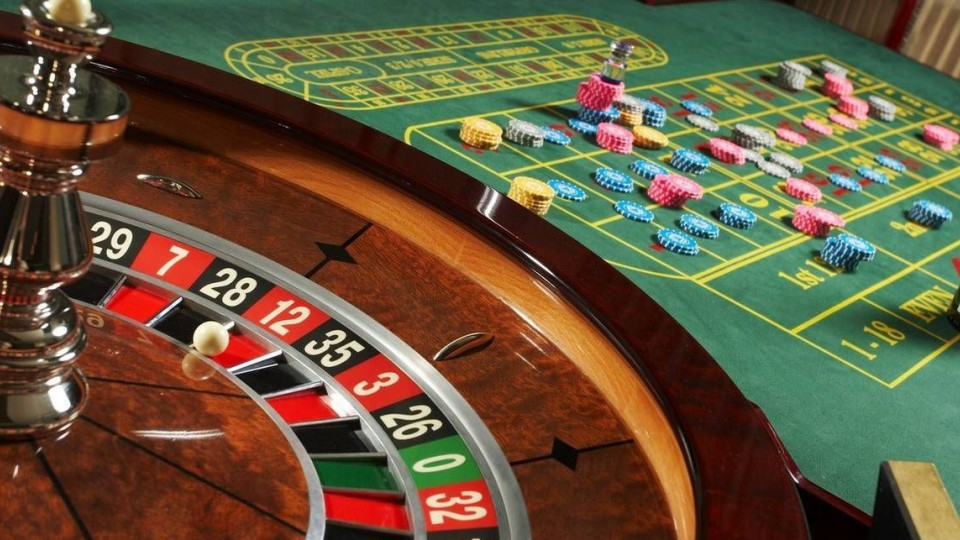
Moreover, the adrenaline rush associated with gambling plays a significant role in risk-taking behavior. When individuals engage in gambling activities, their brains release dopamine, a neurotransmitter associated with pleasure and reward. This chemical reaction creates a cycle of excitement that often encourages further risk-taking, making it challenging for individuals to walk away from the game.
Cognitive Biases in Gambling
Cognitive biases significantly influence gambling behavior. One common bias is the illusion of control, where individuals believe they can influence outcomes despite the inherent randomness of games. This misconception often leads gamblers to take greater risks, thinking they have the upper hand. For instance, a player might continue betting on a losing streak, convinced that their luck will change.
Another notable bias is the gambler’s fallacy, the belief that past outcomes can predict future results. Gamblers often assume that a particular number or outcome is “due” after a series of losses or wins, which can lead to irrational betting decisions. Understanding these cognitive traps can help individuals make more informed choices and potentially mitigate irresponsible gambling behavior.
The Role of Social Influences
Social factors play a crucial role in shaping gambling behaviors. The desire for social acceptance and belonging can drive individuals to partake in gambling activities, especially in group settings such as casinos or online platforms. This social dimension often amplifies the thrill, as the presence of peers can create a supportive environment that encourages risk-taking.
Additionally, cultural attitudes toward gambling can influence individual behavior. In some societies, gambling is viewed as a legitimate form of entertainment, while in others, it may carry stigma. These societal norms can affect how individuals perceive risks and rewards associated with gambling, thus impacting their engagement levels and tendencies towards risk-taking.
The Psychological Impact of Wins and Losses
The emotional consequences of winning and losing in gambling can also drive risk-taking behavior. A win can trigger feelings of euphoria and validation, leading individuals to chase that high by taking further risks. Conversely, losses can instill a sense of frustration or hopelessness, prompting individuals to gamble even more in hopes of recovering their losses. This cycle often leads to a detrimental pattern of behavior, as the pursuit of recovery can overshadow rational decision-making.
Understanding these emotional dynamics is essential for anyone engaging in gambling. Recognizing when the thrill of the game shifts from enjoyable to detrimental can help individuals set boundaries and foster a healthier relationship with gambling activities.

Elevate Your Gaming Experience
As you delve deeper into the fascinating world of gambling psychology, consider exploring safe and reputable platforms that prioritize responsible gaming. Our website offers comprehensive reviews and insights into the best online casinos, designed to cater to both new and seasoned players. We emphasize user-friendly interfaces, generous bonuses, and a strong commitment to player security.
By understanding the psychological drivers behind gambling, you can enhance your gaming experience while making informed choices. Join us as we guide you through your gaming journey, ensuring you have the tools and knowledge to gamble responsibly and enjoyably.